Evaluating the Role of the Live Streaming Overlay Screen Panel
The visual presentation of a live broadcast is a critical component of audience engagement and professional perception. The live streaming overlay screen panel serves as the foundational graphic framework for this presentation, a collection of on-screen elements designed to organize information and enhance the viewer's experience. It is worth discussing not as a mere decoration, but as a functional interface that communicates status, brand identity, and interactive points within the stream.
Core Characteristics and Practical Purpose
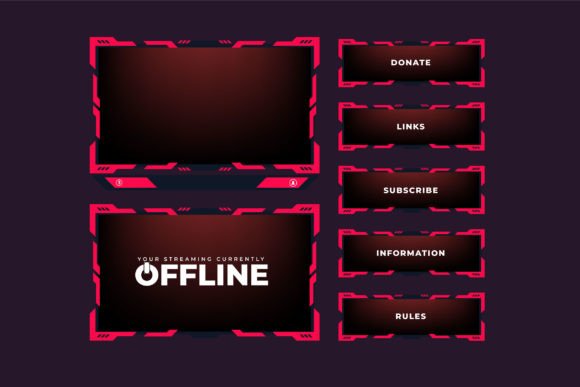
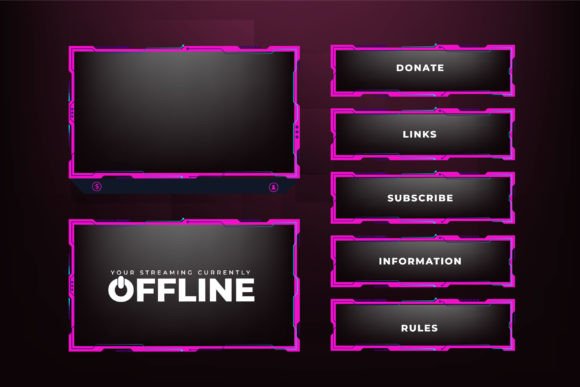
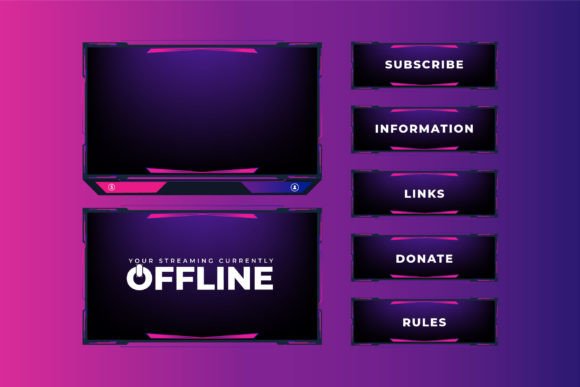
A well-designed live streaming overlay screen panel typically incorporates several key areas. These include designated spaces for webcam footage, gameplay or main content, recent event alerts, and viewer interaction elements like chat displays or donation notifications. Its purpose is multifunctional: to structure the screen coherently, to provide consistent branding, and to facilitate a smoother operational workflow for the streamer by predetermining where dynamic information will appear.
The strengths of a professionally crafted overlay lie in its ability to reduce visual clutter and create a predictable, polished environment. For the audience, this translates into a more digestible and enjoyable viewing experience, where information is easy to locate and the core content remains the focal point. For the broadcaster, it eliminates the ad-hoc placement of elements during a stream, saving time and mental bandwidth while ensuring a consistent look across all sessions.
Design Considerations: Usability and Flexibility
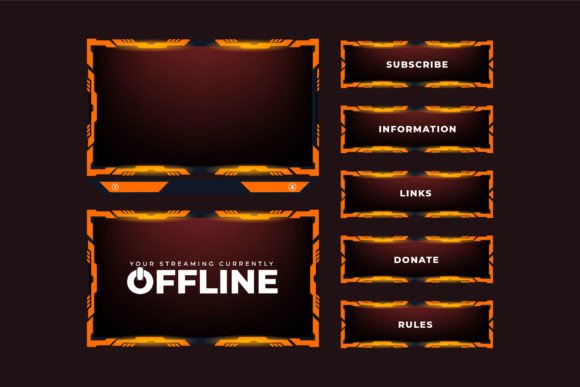
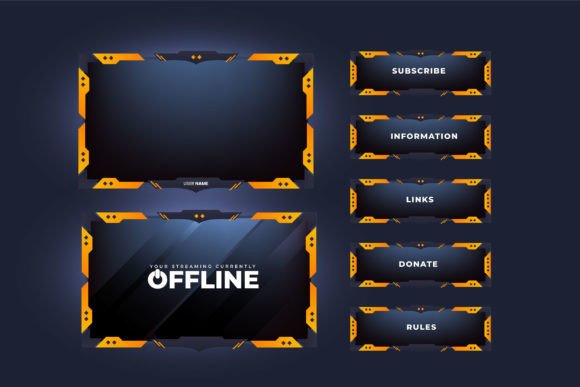
When evaluating a specific design, such as a creative overlay utilizing a yellow and dark color scheme with futuristic gaming frames, one must consider both its aesthetic appeal and its practical utility. A yellow and dark palette can offer high contrast and visual energy, suitable for action-oriented or tech-focused content. However, the effectiveness depends on implementation. The colors must not bleed into or obscure the primary broadcast content, and text overlays must remain legible against the graphic background.
The inclusion of specialized buttons, like offline screens, is a sign of thoughtful design. An offline panel provides a branded holding screen for when the live broadcast is not active, maintaining channel identity and professionalism even during downtime. This attention to the complete broadcast lifecycle adds significant value.
File Format Quality and Long-Term Reliability
The practical value of a digital overlay package is heavily dependent on the quality and variety of the provided file formats. A package offering AI, EPS, PDF, and high-resolution vector files, as noted in descriptions for resources like those from Ifti Digital Graphic Store, indicates a product built for professional use. Vector files ensure scalability; an overlay can be resized for different platforms or resolutions without loss of quality, a crucial feature for streamers who may broadcast across Twitch, YouTube, and Facebook simultaneously.
Compatibility with design applications such as Cricut Design Space, while often highlighted for craft uses, also signals that the files are structured and accessible for manipulation in other graphic software like Adobe Illustrator or Affinity Designer. This flexibility allows users to customize the base design—perhaps adjusting color balances or repositioning elements slightly to better fit their unique layout needs.
Audience Fit and Situational Benefits
The live streaming overlay screen panel is not a one-size-fits-all solution. Its utility varies significantly across different user profiles.
Gaming Content Creators, especially those focusing on genres with a futuristic or high-energy aesthetic, may find a design with gaming frames and a bold yellow/dark scheme particularly aligned with their content. The overlay provides a ready-made professional framework, allowing them to focus on gameplay and commentary rather than graphic design.
Entrepreneurs and Small Business Owners using live video for product launches, webinars, or Q&A sessions can leverage a clean overlay to establish brand authority. A panel with clear areas for a speaker, presentation slides, and a logo can make a business broadcast appear more structured and credible.
Serious Hobbyists and Educators moving from casual to more formal streaming will benefit from the jump in perceived quality. An overlay acts as a visual upgrade that signals a more committed and organized approach to their audience, potentially aiding in community growth.
Potential Limitations and Workflow Integration
While a pre-made overlay offers immense convenience, it also comes with inherent constraints. The design is fixed in its core layout. If a streamer’s needs evolve—for example, requiring an additional information panel for a new type of data—the overlay may require substantial modification or become obsolete. Users must assess whether the provided panel structure matches their current and foreseeable on-screen information requirements.
Integration into a broadcast workflow also requires technical consideration. The streamer must be comfortable using broadcasting software like OBS Studio or Streamlabs to layer the graphic elements correctly. A good overlay package with well-separated, layered vector files simplifies this process, but it still demands a basic level of operational know-how.
Ultimately, the decision to adopt a specific live streaming overlay screen panel hinges on a balance between immediate needs and future flexibility. A high-quality vector design with a relevant aesthetic and comprehensive file formats offers strong immediate value and reliable long-term use due to its scalability and editability. For individuals seeking to elevate their broadcast’s professionalism without investing in custom design work, such resources present a pragmatic and effective solution. The key is to select a design that not only looks compelling but also functionally aligns with the specific content flow and information hierarchy of your live stream.