The Art and Craft of Game-Inspired T-Shirt Design
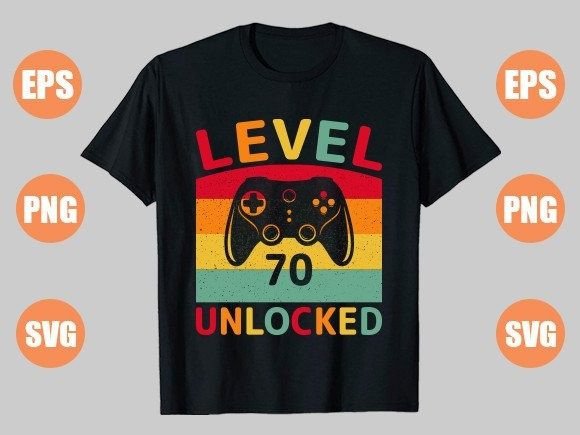
In the vibrant intersection of gaming culture and fashion, game t-shirt design stands as a unique creative discipline. It translates the digital worlds, characters, and narratives we love into wearable art. For creators, designing these shirts is more than just putting a logo on fabric; it's about capturing essence, evoking nostalgia, and building community identity. The process involves a deep understanding of both graphic design principles and the gaming audience's passions.
Consider a design featuring a minimalist silhouette of a legendary hero or a complex, detailed scene from an iconic game world. Each approach serves a different purpose and connects with the wearer on a different level. The creation of such artwork often begins not on a t-shirt template, but in versatile digital files, ready for various applications.
The Designer's Toolkit: File Formats and Their Purposes
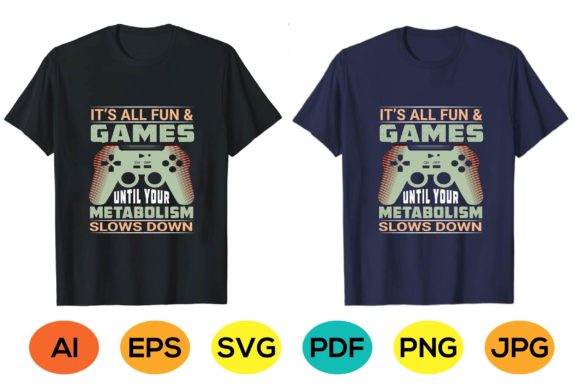
A professional game t-shirt design project typically culminates in a suite of files, each format serving a specific role in the production workflow. Understanding these is crucial for both designers and the businesses that use them.
Vector Files: The Foundation for Scalability
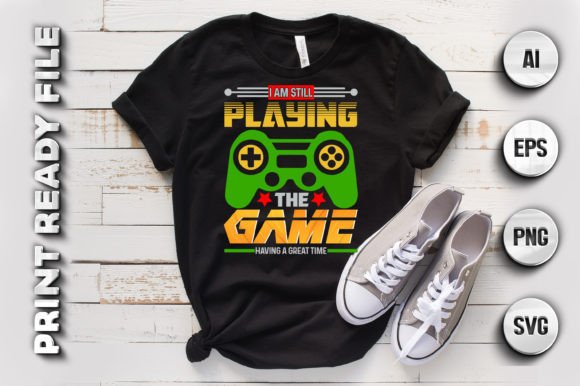
For designs that need to remain crisp on a mug, a poster, or a large banner, vector files are indispensable. The AI and EPS formats are industry standards. They allow the design to be scaled infinitely without any loss of quality, ensuring that intricate game logos or text remain sharp at any size. This is particularly important for a gaming t-shirt design that might be printed on various products, from small phone cases to oversized hoodies.
The Versatile SVG
The SVG file format brings vector graphics into the modern web and digital fabrication ecosystem. It's widely supported by cutting machines and software used for creating custom merchandise, offering another pathway for clean, scalable output.
Ready-for-Print Raster Files
For many direct printing methods, high-resolution raster images are the final output. A PNG file with a transparent background, at specifications like 4500×5400 pixels and 300 dpi, provides immense detail. This allows for flawless integration onto different colored garments or products without a white bounding box. The accompanying PDF often acts as a universal preview and proof document, easily viewable by clients and printers.
These files are commonly distributed compressed in a single ZIP archive. Using utilities like WinZIP or WinRAR to extract them is a standard first step. Once extracted, the true potential of the design unfolds.
Beyond the Shirt: Expanding the Product Universe
The true value of a well-prepared game t-shirt design lies in its adaptability. While the t-shirt is the classic canvas, the same design file can become the heart of an entire merchandise line.
- Sublimation Applications: This printing process, which dyes the fabric itself, works excellently with the provided PNG files. It allows vibrant, all-over prints that are perfect for capturing expansive game landscapes or complex character art on polyester-based garments.
- Mugs and Drinkware: A high-resolution image wraps perfectly around a ceramic mug, turning a morning coffee into a tribute to a favorite gaming universe.
- Bags and Accessories: From backpacks to laptop sleeves, gaming designs personalize everyday carry items.
- Posters and Wall Art: The large, 300 dpi file is directly suitable for printing high-quality posters or framed prints for home decor.
- Cards and Stationery: The design can be adapted for thank-you cards, invitations, or promotional postcards.
This multi-product approach enables small businesses or individual creators to build a cohesive brand offering around a single, strong graphic concept, maximizing the return on their creative investment.
Connecting with the Gaming Community
The success of a game t-shirt design ultimately depends on its resonance with its audience. The design must speak authentically to gamers. This involves more than aesthetic appeal; it requires cultural understanding.
References must be accurate and respectful. Typography should match in-game fonts when appropriate. Color palettes often echo those of the game’s interface or world. A design might celebrate a beloved, obscure side character, a famous in-game quote, or a symbolic item rather than just the main protagonist. This depth of connection transforms the shirt from mere apparel to a statement of affiliation and passion.
Considerations for Commercial Use
When creating designs inspired by existing games, intellectual property considerations are paramount. Many designs operate in a space of fan art and personal expression. For commercial scale, understanding licensing and copyright is essential. Some creators work with original characters and worlds, while others navigate the complexities of branded content. Clear communication with the design provider, such as contacting a source like "Graphic teebd" for questions regarding usage rights, is a responsible step in this process.
The Workflow from Digital File to Physical Product
For an entrepreneur or hobbyist, the journey starts with the downloaded ZIP file. After extraction, the choice of file depends on the production method. For screen printing, a vector EPS or AI file might be sent to the printer for separation. For direct-to-garment digital printing or sublimation, the transparent PNG is often the key asset.
The design is then placed onto a product mockup template. Careful attention is paid to placement—center chest, full back, left sleeve—each position carrying a different visual weight. Color matching is critical; the vibrant colors from a game’s HUD might need adjustment for different fabric types. Finally, a sample print tests the design, ensuring the final product honors the quality of the original digital artwork.
Trends and Evolution in Gaming Fashion
The field is dynamic. Trends move from simple logo reproductions to abstract geometric designs based on game maps, to nostalgic retro designs celebrating 80s and 90s gaming eras. Eco-conscious printing methods and sustainable fabrics are becoming more relevant to the community. Furthermore, the rise of indie games has created a market for designs celebrating smaller, passionate projects, diversifying the themes available beyond blockbuster titles.
In essence, creating and utilizing a game t-shirt design is a holistic practice. It blends technical graphic design skills with cultural commentary, and production logistics with business opportunity. The provided bundle of AI, EPS, SVG, PDF, and PNG files is not just a collection of images; it's a toolkit for manifestation. It empowers creators to bring a piece of the digital gaming realm into the tangible, physical world, onto products that people use, wear, and cherish daily. This bridge between screen and life is where the design finds its true purpose and value.