The Modern High-Quality PSD Background: A Guide for Design Professionals
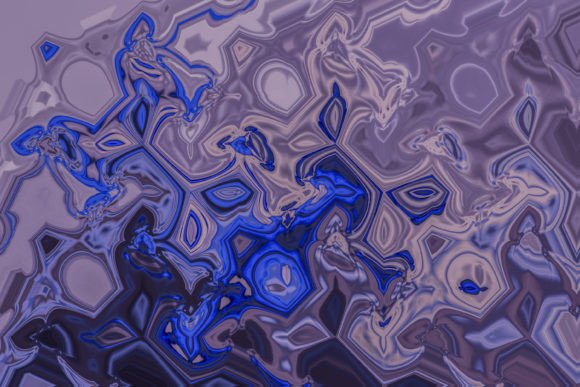
In the realm of digital design, the foundation upon which a visual composition is built is often its background. Among the most sought-after resources for designers are modern high-quality PSD backgrounds. This term refers to layered Photoshop document files that provide a sophisticated, professional-grade base layer for projects. These backgrounds typically feature attributes like abstract patterns, gradient effects, vibrant colorful HD palettes, and clean polygonal structures, all rendered at high resolutions such as 3000x2000 pixels with a 300 DPI density. Understanding the nature, utility, and appropriate application of these assets is crucial for anyone involved in creating visual identities, web layouts, desktop wallpapers, or marketing materials.
What Constitutes a Modern High-Quality PSD Background?
A modern high-quality PSD background is more than just a static image. Its core characteristic is the editable Photoshop file format, which preserves separate layers, effects, and elements. This allows for deep customization—colors can be adjusted, elements rearranged, and effects modified without degrading the original quality. The "modern" aspect often implies a clean, minimalist, or geometrically abstract style, moving away from overly complex or noisy textures. Key visual features include vibrant gradients, rainbow-inspired color transitions, and flat polygonal patterns. The technical specifications are equally important: a resolution of 3000x2000 ensures ample size for large displays or print-adaptable projects, while a 300 DPI setting guarantees sharpness for high-fidelity outputs. These assets are engineered to serve as a versatile base for a project's visual identity.
Primary Interests and Applications
Professionals and enthusiasts gravitate towards these backgrounds for several practical reasons. The foremost is efficiency. Starting with a polished, layered background saves significant time compared to building one from scratch. For web designers, these backgrounds can form the immediate visual foundation of a website's hero section or overall theme. Graphic designers might use them for creating promotional banners, social media graphics, or presentation slides where a strong, contemporary visual impact is required. The HD quality and scale make them suitable for desktop wallpaper backgrounds or gaming backgrounds, where screen coverage and detail are paramount. Furthermore, the PSD format's editability is invaluable for branding projects, enabling designers to tweak the background to align perfectly with a client's specific color scheme or style guidelines, thereby supporting a cohesive visual identity.
Benefits and Strengths
The benefits of utilizing a modern high-quality PSD background are substantial. The immediate access to professional-grade aesthetics elevates the starting point of any design. The high resolution ensures scalability; the background can be cropped or enlarged for different mediums without loss of quality. The layered structure offers flexibility, allowing non-destructive edits that preserve the option to revert or adjust later. For projects demanding a premium, clean, or modern look—such as tech company websites, startup presentations, or minimalist branding—these backgrounds provide a ready-made solution that conveys a sense of sophistication. Their abstract and colorful nature can also evoke emotion or focus attention without relying on specific imagery, making them excellent for projects where neutrality or creative ambiance is desired.
Tradeoffs and Considerations
Despite the advantages, there are important tradeoffs to consider. First, reliance on pre-made assets can sometimes limit originality. While editable, the core design is predetermined, which might not foster the same unique creative result as a fully custom-built background. Secondly, the "modern" and "abstract" style is trend-sensitive. What appears contemporary today may feel dated in a few years. Designers must assess whether the style aligns with a project's long-term vision. Another practical consideration is software dependency; the PSD format requires Adobe Photoshop or compatible software for full editing, which may not be accessible to all users. Additionally, while the 300 DPI is excellent for print-intended derivatives, for purely digital use (like web backgrounds), the file size can be unnecessarily large, potentially affecting website load times if not optimized correctly.
Situations Where It Is a Strong Fit
Modern high-quality PSD backgrounds are a compelling choice in specific scenarios. They are exceptionally strong for time-sensitive projects where design quality cannot be compromised due to tight deadlines. For freelance designers or small agencies with limited resources, they offer a cost-effective way to access high-end visual bases. Projects requiring a consistent background across multiple deliverables—like a campaign involving web banners, email headers, and print flyers—benefit from the single, scalable, editable source file. Furthermore, when the project’s visual direction is already aligned with clean, abstract, gradient, or colorful HD aesthetics, these backgrounds serve as a perfect, ready-to-implement foundation. They are also ideal for personal use cases like creating custom desktop wallpaper backgrounds or enhancing digital presentations where a professional visual standard is desired.
When Alternatives Might Be Worth Considering
In other situations, alternative approaches may be more suitable. If the project demands a completely unique, brand-specific background that cannot be derived from common abstract patterns, investing in custom illustration or photography might be necessary. For web-focused projects where performance is critical, using a simpler CSS-generated gradient or a compressed, non-editable JPEG background might be more efficient than a large, layered PSD. Similarly, for very simple or flat design projects, an overly detailed colorful HD background might add unnecessary visual complexity. Designers working strictly in vector-based software (like Illustrator) might find vector pattern backgrounds more compatible than raster-based PSDs. Lastly, if the goal is to achieve a highly realistic or textured look (like natural surfaces), realistic backgrounds or photographic resources would likely outperform an abstract PSD pattern.
Practical Decision-Making Insights
To determine if a modern high-quality PSD background aligns with your needs, start by evaluating the core requirements of your project. Ask yourself: Is the modern, abstract aesthetic appropriate for the target audience and message? Do you have the time and skill to customize a layered PSD, or would a simpler, fixed background suffice? Consider the final output mediums—will you need to adapt the background for both web and print? If yes, the high-resolution PSD is advantageous. Also, assess your software toolkit and team capabilities. If Photoshop access and expertise are available, the PSD's potential can be fully leveraged. Conversely, if your workflow is based on other tools, seek formats native to that environment. Ultimately, the decision hinges on balancing the desire for professional quality and editability against the need for originality, performance, and workflow compatibility.
Aligning with Your Design Goals
The utility of a modern high-quality PSD background hinges on its alignment with your specific design goals. For projects prioritizing speed, a polished starting point, and a contemporary visual identity, it is an invaluable resource. Its strengths in scalability and customization make it a versatile asset in a designer's library. However, it is not a universal solution. When uniqueness, extreme performance optimization, or a departure from the modern abstract style is required, other resources or custom creation become more relevant. By understanding its characteristics—the clean and easy-to-use layered structure, the HD colorful patterns, and the premium technical specifications—you can make an informed choice. Whether for creating website backgrounds, enhancing a brand's visual identity, or crafting beautiful desktop wallpapers, a thoughtful evaluation of your project's needs will reveal if this powerful design tool is the right foundation for your next creative endeavor.