The Essential Role of the Sport Rubber Hockey Puck and Equipment Cart in Modern Recreation
The arena buzzes with anticipation, the air sharp with cold. Players glide across the ice, their movements a blur of athletic precision. At the heart of this orchestrated chaos is a simple, unassuming object: the Sport Rubber Hockey Puck. This dense, vulcanized rubber disc is the focal point of every play, the catalyst for every goal, and the enduring icon of the game itself. But its journey from raw material to game-ready tool is equally important, facilitated by another unsung hero: the Equipment Cart. Together, they represent a fundamental system within sports—the marriage of the core playing object and the logistical support that makes organized recreation possible.
Beyond the Ice: The Symbolism and Utility of the Sport Rubber Hockey Puck
What makes the Sport Rubber Hockey Puck so significant? Its relevance extends far beyond its physical function. It is a unit of standardized competition. Every puck, with its specified weight, diameter, and thickness, ensures a level playing field. This standardization is crucial not just for professional leagues, but for community rinks and amateur tournaments worldwide. The puck’s evolution from leather-bound cork to today’s advanced rubber composites mirrors the sport’s own technological progression, aiming for better durability, consistent bounce, and improved player safety.
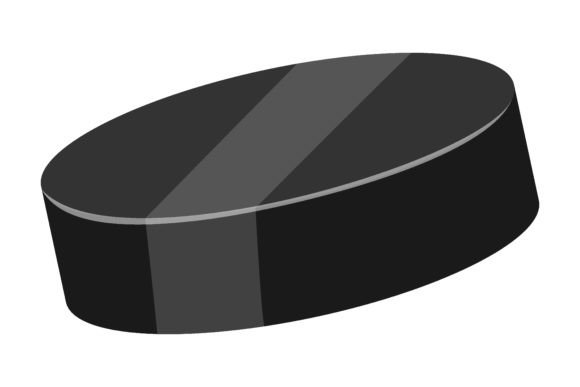
In a broader cultural sense, the Sport Rubber Hockey Puck has transcended its utilitarian role. It appears in logos, merchandise, and, most tellingly, in graphic design as a symbol of athleticism and team spirit. The Sport rubber hockey puck, equipment cartoon vector is a prime example of this symbolic shift. These stylized illustrations distill the essence of sports equipment into clean, recognizable graphics used in apps, websites, coaching materials, and promotional content. They serve as visual shorthand for recreation, appealing to a modern audience that consumes information quickly and digitally.
The Equipment Cart: Organizing Chaos and Enabling Flow
While the puck is the star, the Equipment Cart is the indispensable stage manager. Imagine the logistical challenge of a multi-team youth tournament, a university athletic department, or a large commercial fitness facility. Helmets, sticks, skates, spare pucks, water bottles, medical kits—the list is endless. The Equipment Cart, often modular and multi-tiered, solves this problem. It enables efficient transport, centralized storage, and rapid access, turning potential chaos into smooth operational flow.
This speaks directly to contemporary trends in sports management and facility design. Modern user expectations demand efficiency and professionalism at all levels of play. Coaches and administrators, often balancing numerous responsibilities, need tools that streamline workflows. The Equipment Cart fits into this need for optimized organization. It also supports a growing focus on athlete readiness and safety, ensuring that essential gear and medical supplies are always immediately at hand, reducing downtime and enhancing the overall experience for players and staff.
The Vector Illustration Trend: Abstraction and Universal Communication
The request for a Sport rubber hockey puck, equipment cartoon vector alongside other items like balls, bowling pins, boxing gloves, and golf clubs points to a significant trend in how we visualize and communicate about recreation. Vector graphics are clean, scalable, and versatile. They are used in:
- Digital Platforms: Mobile apps for sport scheduling, fitness tracking, or team management.
- Educational Materials: Online coaching guides, school athletic program websites, and safety manuals.
- Marketing and Branding: Creating a cohesive visual language for sports centers, equipment retailers, and event promoters.
This move towards abstraction—using a simple cartoon vector of a puck or an equipment cart instead of a photograph—reflects a need for universal, instantly understandable icons. It aligns with a fast-paced, digital-first culture where these symbols facilitate quick recognition across languages and age groups, celebrating recreation in a broad, inclusive way.
Practical Implications for Professionals and Creators
Understanding this system—the tangible equipment and its digital representation—has real-world implications. For facility managers and sports directors, investing in durable, well-designed physical equipment like high-quality pucks and robust carts directly impacts operational efficiency and user satisfaction. It’s a practical decision that reduces long-term costs and improves daily operations.
For designers, marketers, bloggers, and educators, the vector illustration trend opens creative avenues. Creating or utilizing a set of equipment cartoon vectors allows for the production of engaging, modern content. A blogger writing about hockey training can use a custom puck vector to break up text and highlight key points. A small business selling multi-sport equipment can use a family of vectors (for hockey, bowling, boxing, golf) to create a unified, professional brand identity online without expensive photography. It empowers creators to produce professional-looking material that resonates with a digitally-native audience.
Integration into a Holistic Recreation Lifestyle
The discussion of bowling vectors, boxing gloves, and golf clubs alongside hockey equipment is not random. It reflects a modern lifestyle shift towards diversified recreation. People are less likely to identify solely as “a hockey player” or “a golfer.” Instead, many adults seek a variety of athletic and leisure activities for fitness, social engagement, and mental well-being. This cross-sport interest drives market preferences for equipment that is easy to manage and for digital content that speaks to a range of pursuits.
A community center’s website, therefore, might use a suite of playful sport vectors to advertise its diverse offerings. An equipment cart in such a facility becomes even more critical, as it might need to transport bowling shoes, boxing pad sets, and golf putters for different clinics throughout the day. The pragmatic and the symbolic aspects converge here, supporting a contemporary, multi-sport recreational lifestyle.
Observations and Grounded Recommendations
For anyone involved in the world of sports—from business owners to freelancers to hobbyists—a few grounded recommendations emerge. First, prioritize the fundamentals. The quality of the actual Sport Rubber Hockey Puck affects the game; the functionality of the Equipment Cart affects the organization. Do not overlook these core tools in pursuit of more flashy technological solutions.
Second, recognize the power of visual communication. If your work involves promoting, teaching, or discussing recreation, consider how vector graphics or other clean visual elements can enhance your message. They are accessible, cost-effective, and align with how people consume information today.
Finally, see the connections. The puck and the cart are part of an ecosystem. The vector illustration is part of a communication ecosystem. By understanding how these elements work together to support the actual experience of sport—whether it’s the intensity of hockey, the precision of bowling, the discipline of boxing, or the focus of golf—professionals and creators can build more effective, satisfying, and engaging recreational environments and narratives. It’s a focus on both the essential object and the supportive structure, the real gear and the idea it represents, that ultimately serves the evolving needs of players, fans, and participants everywhere.